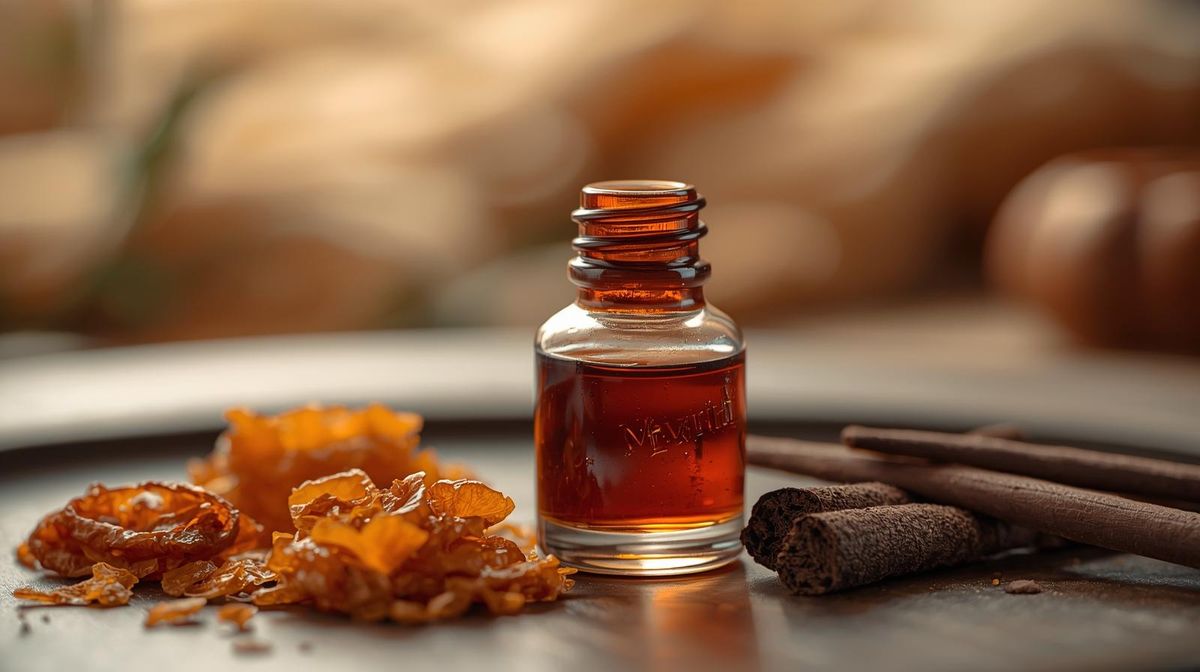
Featured Essential Oil: Myrrh - Ancient Resin for Modern Wellness

Introduction
For thousands of years, Myrrh has held a sacred place in human civilization—from ancient Egyptian embalming rituals to biblical references as one of the gifts presented to the infant Jesus. Today, this precious resin continues to captivate aromatherapy enthusiasts with its warm, earthy aroma and profound therapeutic properties.
Myrrh essential oil (Commiphora myrrha) offers more than just historical intrigue. Modern aromatherapy recognizes this ancient treasure for its grounding, calming, and immune-supporting benefits. Whether you're seeking spiritual connection, emotional balance, or natural wellness support, Myrrh deserves a place in your essential oil collection.
In this comprehensive guide, we'll explore Myrrh's fascinating history, uncover its therapeutic benefits, review important safety information, and share three exclusive aromatherapy blends you can create at home.
The Ancient History of Myrrh
Sacred Beginnings
Myrrh's story begins over 4,000 years ago in the arid regions of Northeast Africa and the Arabian Peninsula. The Commiphora myrrha tree, a thorny shrub that thrives in harsh desert climates, produces a thick, amber-colored resin when its bark is cut or wounded. This natural defense mechanism became one of history's most valuable commodities.
Ancient Egypt (3000 BCE - 30 BCE)
The ancient Egyptians revered Myrrh as a sacred substance, using it extensively in:
- Embalming and mummification: Myrrh's antimicrobial properties helped preserve bodies for the afterlife
- Religious ceremonies: Burned as incense in temples dedicated to Ra, the sun god
- Beauty and cosmetics: Egyptian nobility used Myrrh-infused oils and perfumes
- Medicine: Prescribed for oral health, wound healing, and digestive complaints
Myrrh was so valuable that it was worth its weight in gold, accessible only to pharaohs, priests, and the wealthy elite.
Biblical and Spiritual Significance
Myrrh appears throughout religious and spiritual texts:
- The Three Wise Men: Myrrh was one of three gifts (with frankincense and gold) presented to Jesus at his birth, symbolizing mortality and sacrifice
- Jewish traditions: Used in anointing oil and temple rituals
- Islamic practices: Muhammad recommended Myrrh for healing and purification
- Christian ceremonies: Burned in churches and used in consecration rites
Ancient Trade Routes
By 1500 BCE, Myrrh had become a cornerstone of international trade. The famous "Incense Route" connected Arabia, India, and the Mediterranean, with Myrrh being one of the most sought-after commodities. Merchants traveled thousands of miles through treacherous deserts, and wars were fought over control of Myrrh-producing regions.
Traditional Medicine Systems
- Traditional Chinese Medicine (TCM): Known as "Mo Yao," used for thousands of years to invigorate blood, reduce swelling, and relieve pain
- Ayurveda: Called "Bola," employed for its rejuvenating and purifying properties
- Greek and Roman medicine: Hippocrates and other physicians prescribed Myrrh for respiratory complaints and skin conditions
This rich historical tapestry reminds us that Myrrh's therapeutic reputation isn't a modern marketing invention—it's backed by millennia of human experience.
Myrrh's Aromatic Profile & Properties
Aroma Description
Myrrh essential oil presents a complex, multifaceted aroma:
- Primary notes: Earthy, warm, slightly bitter
- Secondary notes: Woody, resinous, balsamic
- Subtle undertones: Spicy, medicinal, smoky
Unlike bright, uplifting citrus oils or sweet florals, Myrrh's aroma is grounding and contemplative. It invites introspection and creates a sacred, meditative atmosphere. Many describe it as smelling "ancient" or "mystical"—an olfactory journey to sacred temples and desert landscapes.
Note Classification: Base note
- Myrrh is a true base note, meaning it has a low volatility and long-lasting staying power
- In aromatherapy blends, it acts as a "fixative," anchoring lighter top and middle notes
- The aroma can linger for hours or even days on fabric and skin
Therapeutic Properties
Modern aromatherapy recognizes Myrrh for these key therapeutic benefits:
1. Grounding & Emotional Stability
- Calms scattered thoughts and racing minds
- Promotes emotional centering and spiritual awareness
- Helpful during times of grief, transition, or uncertainty
- Creates a sense of sacred space for meditation and reflection
2. Calming & Stress Relief
- Reduces anxiety and nervous tension
- Promotes relaxation without sedation
- Balances emotions when feeling overwhelmed
- Encourages deep, mindful breathing
3. Immune Support
- Traditionally used to support immune system function
- Antimicrobial properties have been documented in research
- Often diffused during cold and flu season
- Combines synergistically with other immune-supporting oils
4. Skin Health Support
- Used traditionally for skin rejuvenation and healing
- May support healthy-looking mature or dry skin
- Often added to facial serums and body oils (properly diluted)
- Combines well with frankincense and lavender for skincare
5. Respiratory Support
- Traditionally used for respiratory wellness
- May support clear breathing when diffused
- Often combined with eucalyptus or peppermint in respiratory blends
6. Spiritual & Meditative Uses
- Enhances meditation, prayer, and yoga practices
- Deepens spiritual connection and mindfulness
- Used in sacred rituals across multiple traditions
- Creates a contemplative, reverent atmosphere
Safety Information & Usage Guidelines
While Myrrh essential oil is generally well-tolerated, proper use ensures safe and effective aromatherapy experiences.
Dilution Guidelines
Never apply Myrrh essential oil undiluted (neat) to skin. Always dilute in a carrier oil:
- Face and sensitive areas: 0.5-1% dilution
- Example: 1-2 drops Myrrh per tablespoon (15ml) of carrier oil
- Body massage: 2-3% dilution
- Example: 2-3 drops Myrrh per teaspoon (5ml) of carrier oil
- Targeted application: Up to 4% dilution for small areas (consult an aromatherapist)
Recommended carrier oils for Myrrh:
- Jojoba oil (excellent for facial use)
- Sweet almond oil (general purpose)
- Fractionated coconut oil (light, non-greasy)
- Argan oil (premium skincare)
Important Contraindications
Avoid Myrrh essential oil if you are:
- Pregnant: Myrrh is contraindicated during all stages of pregnancy due to potential emmenagogue effects (may stimulate menstruation)
- Breastfeeding: Not recommended due to lack of safety data
- Taking blood thinners: Myrrh may have mild anticoagulant effects; consult your doctor
- Scheduled for surgery: Discontinue use at least 2 weeks before surgery
Usage Precautions
- Patch test first: Apply diluted oil to inner forearm and wait 24 hours before full use
- Keep out of eyes: If contact occurs, flush with milk or carrier oil (not water)
- Internal use: Do not ingest essential oils unless under professional guidance
- Children: Not recommended for children under 6 years old
- Sun sensitivity: While Myrrh is not typically phototoxic, avoid direct sun exposure after topical use to be safe
Recommended Application Methods
Diffusion (Safest method)
- Add 3-5 drops to an ultrasonic diffuser with 100ml water
- Diffuse for 30-60 minutes at a time
- Ensure adequate ventilation
- Not suitable for continuous overnight diffusion
Topical Application (Properly diluted)
- Add to facial serums, body oils, or massage blends
- Apply to pulse points, feet, or back of neck
- Always follow dilution guidelines above
Aromatherapy Inhaler
- Add 5-8 drops to personal inhaler wick
- Inhale as needed for emotional support or respiratory wellness
Meditation & Spiritual Practice
- Diffuse before and during meditation
- Apply diluted oil to third eye or crown chakra
- Use in anointing rituals or sacred spaces
Three Exclusive Myrrh Blends to Try
Now that you understand Myrrh's history, benefits, and safety, let's put this knowledge into practice with three professionally designed aromatherapy blends. Each features Myrrh as a key ingredient alongside complementary essential oils.
Blend #1: Sacred Meditation
Purpose: Meditation support and spiritual grounding
Ideal For: Yoga practice, meditation, prayer, contemplation, creating sacred space
Ingredients:
- 3 drops Frankincense (Boswellia carterii)
- 2 drops Myrrh (Commiphora myrrha)
- 2 drops Sandalwood (Santalum album)
- 2 drops Lavender (Lavandula angustifolia)
Total: 9 drops
Note Balance:
- Top notes: 0%
- Middle notes: 22%
- Base notes: 78%
Application Instructions:
Begin diffusing this blend 10-15 minutes before your meditation or spiritual practice. The heavy base note emphasis creates a deeply grounding atmosphere that anchors your awareness in the present moment.
The combination of sacred resins (frankincense and myrrh) with grounding sandalwood invites spiritual awareness, while gentle lavender softens the intensity and promotes calm focus. This is not a relaxation blend—it's a contemplative blend designed to deepen mindfulness and sacred connection.
Why This Works:
The ancient pairing of frankincense and myrrh has been used in spiritual practices for over 3,000 years. Both oils contain sesquiterpenes, aromatic compounds that may support emotional balance and grounding. Sandalwood adds a creamy, woody depth that enhances meditation, while lavender prevents the blend from becoming too heavy or somber.
Pro Tip: Apply diluted blend (2% in jojoba oil) to the third eye (center of forehead) or pulse points before meditation for a personal aromatic anchor throughout your practice.
Blend #2: Ancient Harmony
Purpose: Emotional balance and skin wellness support
Ideal For: Stressful days, emotional overwhelm, skincare rituals, mood balancing
Ingredients:
- 2 drops Myrrh (Commiphora myrrha)
- 2 drops Frankincense (Boswellia carterii)
- 3 drops Sweet Orange (Citrus sinensis)
- 2 drops Lavender (Lavandula angustifolia)
Total: 9 drops
Note Balance:
- Top notes: 33%
- Middle notes: 22%
- Base notes: 44%
Application Instructions:
For Diffusion: Add all oils to diffuser and run for 30-60 minutes. This blend creates an emotionally balancing atmosphere—the warm, grounding resins anchor scattered emotions while sweet orange lifts the spirit with its gentle optimism.
For Topical Use: Dilute total blend to 2% in a carrier oil (6 drops of the blend per tablespoon of carrier oil). Apply to pulse points, temples, or areas of concern. This is particularly beautiful as a facial serum ingredient or added to unscented body lotion.
⚠️ Important: Sweet orange is mildly phototoxic. Avoid sun exposure for 12 hours after topical application, or use in the evening before bed.
Why This Works:
This blend strikes a perfect balance between grounding and uplifting. While myrrh and frankincense provide emotional stability and skin-supporting benefits, sweet orange adds joy and optimism. Lavender bridges the two "personalities" of this blend, creating a harmonious aromatic experience that supports both skin health and emotional equilibrium.
The therapeutic synergy is notable: both myrrh and frankincense have been traditionally used for skin rejuvenation and are often found in luxury skincare products. Sweet orange contains limonene, a compound that uplifts mood and reduces stress markers in clinical studies.
Pro Tip: Add this blend to your nighttime skincare routine. After cleansing, apply a diluted blend to face and décolletage, followed by your regular moisturizer. The aromatherapeutic benefits combine with potential skin-supporting properties for a holistic self-care ritual.
Blend #3: Temple Tranquility
Purpose: Deep relaxation and restful sleep
Ideal For: Evening wind-down, insomnia support, anxious thoughts, bedtime ritual
Ingredients:
- 2 drops Myrrh (Commiphora myrrha)
- 2 drops Cedarwood (Cedrus atlantica)
- 3 drops Lavender (Lavandula angustifolia)
- 2 drops Frankincense (Boswellia carterii)
Total: 9 drops
Note Balance:
- Top notes: 0%
- Middle notes: 33%
- Base notes: 67%
Application Instructions:
Begin diffusing 30-60 minutes before your desired bedtime. The absence of stimulating top notes and heavy base note emphasis creates a "gravitational pull" toward rest and relaxation. This blend works synergistically to quiet racing thoughts and prepare the body for restorative sleep.
Safe for overnight diffusion in the bedroom (run for 1-2 hours, then set to auto-shutoff).
For Topical Application: Dilute to 2-3% in carrier oil. Massage onto feet (especially the soles) or back of the neck before bed. The grounding aromatics combined with the ritual of self-massage signal to your nervous system that it's time to rest.
Why This Works:
Sleep requires both physical relaxation and mental quieting. This blend addresses both:
- Physical relaxation: Lavender is one of the most researched essential oils for sleep support, with multiple studies showing improved sleep quality
- Mental quieting: Myrrh, frankincense, and cedarwood create a deeply grounding aromatic atmosphere that anchors wandering thoughts
- Nervous system support: All four oils have calming properties that may help shift from sympathetic (fight-or-flight) to parasympathetic (rest-and-digest) nervous system dominance
The heavy base note composition (67%) ensures the aroma lingers throughout the night, providing aromatherapeutic support even after the diffuser turns off.
Pro Tip: Create a "sleep ritual" by diffusing this blend while performing your evening routine (brushing teeth, reading, journaling). Over time, your brain will associate this aroma with sleep preparation, making it easier to wind down.
Sourcing Quality Myrrh Essential Oil
Not all Myrrh essential oils are created equal. Here's what to look for:
Quality Indicators
1. Botanical Name: Should list Commiphora myrrha (not just "Myrrh")
2. Country of Origin: Typically Somalia, Yemen, or Ethiopia
3. Extraction Method: Steam distillation or CO2 extraction (avoid solvent-extracted versions)
4. Part Used: Should specify "resin"
5. Purity: Look for "100% pure essential oil" with no additives, dilutions, or synthetic fragrances
6. GC/MS Tested: Reputable suppliers provide Gas Chromatography/Mass Spectrometry reports showing chemical composition
7. Organic Certification (Optional but ideal): Ensures sustainable harvesting and no pesticides
Red Flags to Avoid
- ❌ "Fragrance oil" or "Perfume oil" (these are synthetic)
- ❌ No botanical name listed
- ❌ Suspiciously low prices (authentic Myrrh is moderately expensive)
- ❌ Claims to "cure" or "treat" medical conditions (illegal and unethical)
- ❌ Plastic bottles (essential oils should be in dark glass)
Storage Tips
- Store in dark glass bottles (amber or cobalt blue)
- Keep away from heat and direct sunlight
- Tightly seal after each use (oxidation degrades quality)
- Properly stored, Myrrh can last 4-5 years
- Keep out of reach of children and pets
Frequently Asked Questions
Q: What does Myrrh essential oil smell like?
A: Myrrh has a warm, earthy, slightly bitter aroma with woody and resinous notes. It's grounding and contemplative—often described as smelling "ancient" or "sacred." It's quite different from bright citrus or sweet floral oils.
Q: Can I use Myrrh essential oil on my face?
A: Yes, when properly diluted (0.5-1% for facial use). Many people add Myrrh to facial serums for its traditional skin-supporting properties. Always patch test first and dilute in a quality carrier oil like jojoba or argan oil.
Q: Is Myrrh essential oil safe during pregnancy?
A: No, Myrrh is contraindicated during pregnancy due to potential emmenagogue effects (may stimulate menstruation). Pregnant individuals should avoid both topical and aromatic use.
Q: What's the difference between Myrrh and Frankincense?
A: Both are ancient resins with similar spiritual histories, but they come from different plants and have distinct aromas. Frankincense (Boswellia species) is lighter, more citrus-like, and uplifting. Myrrh (Commiphora myrrha) is earthier, heavier, and more grounding. They complement each other beautifully in blends.
Q: Can I ingest Myrrh essential oil?
A: Internal use of essential oils should only be done under the guidance of a qualified aromatherapist or healthcare provider. Essential oils are highly concentrated and can be toxic if used improperly.
Q: How much Myrrh should I use in my diffuser?
A: Use 3-5 drops in 100ml of water. Myrrh is a base note oil with a strong aroma, so less is often more. Start with fewer drops and increase if needed.
Q: Does Myrrh essential oil expire?
A: When stored properly (cool, dark place in sealed glass bottle), Myrrh can last 4-5 years. It's a resin oil, which means it's quite stable compared to citrus oils (which oxidize quickly). If it smells "off" or has changed color significantly, it's best to replace it.
Conclusion: Honoring an Ancient Tradition
Myrrh essential oil bridges the ancient and modern worlds—carrying forward thousands of years of sacred use while finding new applications in contemporary aromatherapy. Its grounding, calming, and spiritually centering properties make it an invaluable addition to any essential oil collection.
Whether you're drawn to Myrrh for its rich historical significance, its therapeutic benefits, or simply its captivating aroma, this ancient resin offers profound support for emotional wellness, spiritual practice, and holistic self-care.
Key Takeaways:
- Myrrh has over 4,000 years of documented use in spiritual and therapeutic traditions
- It's a grounding, calming base note oil excellent for meditation and emotional balance
- Always dilute properly and observe contraindications (especially pregnancy)
- Combines beautifully with frankincense, sandalwood, lavender, and citrus oils
- The three blends in this article offer accessible entry points for working with Myrrh
As you explore this sacred oil, remember that aromatherapy is both an art and a science. Start slowly, listen to your body's responses, and honor the ancient wisdom that recognized Myrrh's special gifts millennia ago.
Ready to experience Myrrh's grounding embrace? Explore our collection of pure essential oils and try the Sacred Meditation, Ancient Harmony, or Temple Tranquility blends today.
About the Author
[Author bio will be added from Sanity CMS author profile]
Related Articles
- The Complete Guide to Base Note Essential Oils
- Frankincense and Myrrh: A Sacred Pairing
- Creating Your Own Meditation Blend: A Beginner's Guide
- Essential Oils for Emotional Wellness
Disclaimer
This article is for educational purposes only and is not intended to diagnose, treat, cure, or prevent any disease. Essential oils are complementary wellness tools and should not replace medical care. Always consult with a qualified healthcare provider before using essential oils, especially if you are pregnant, nursing, taking medications, or have a medical condition. Never ingest essential oils without professional guidance.

About Info
Scentsay Info